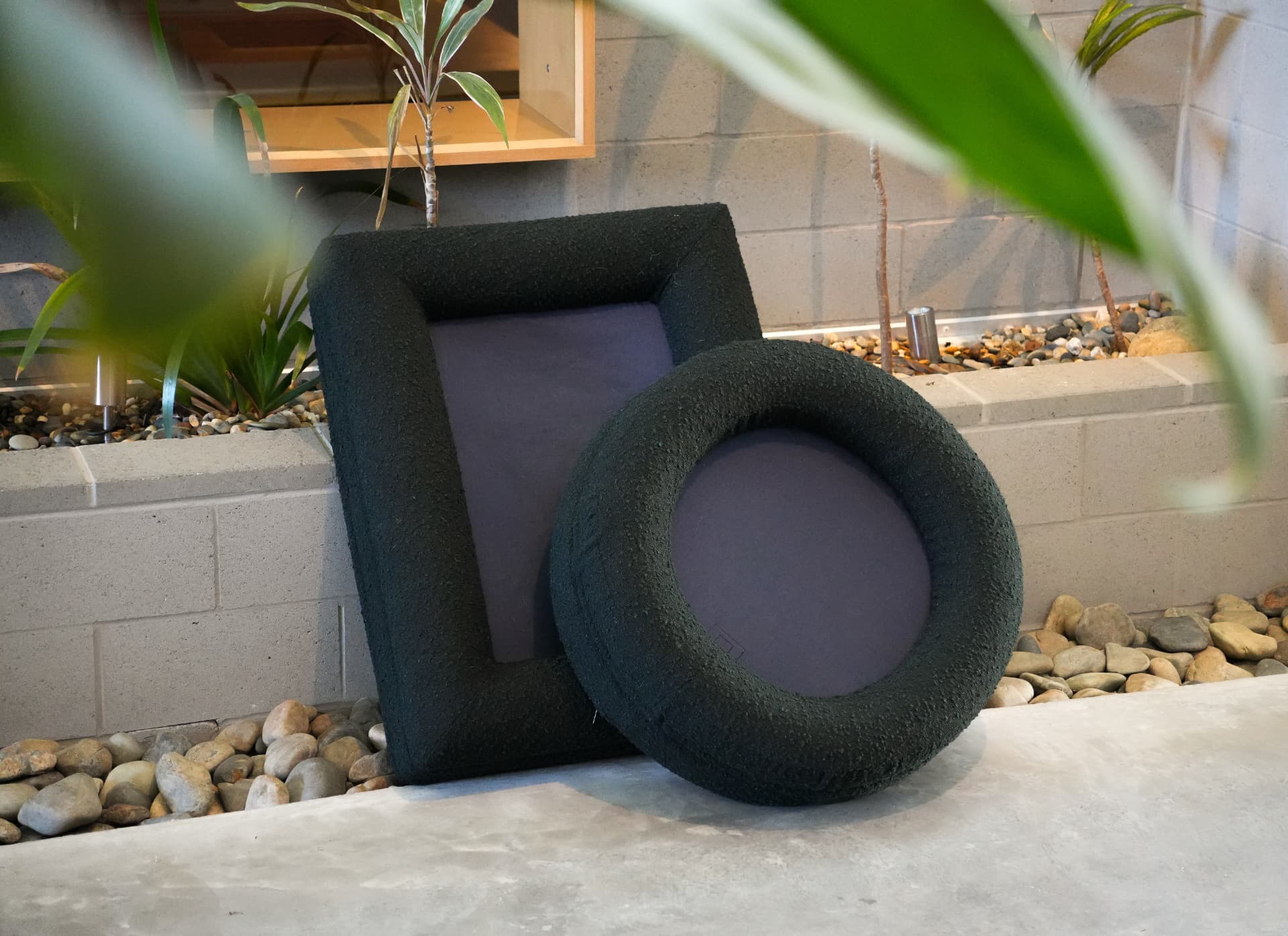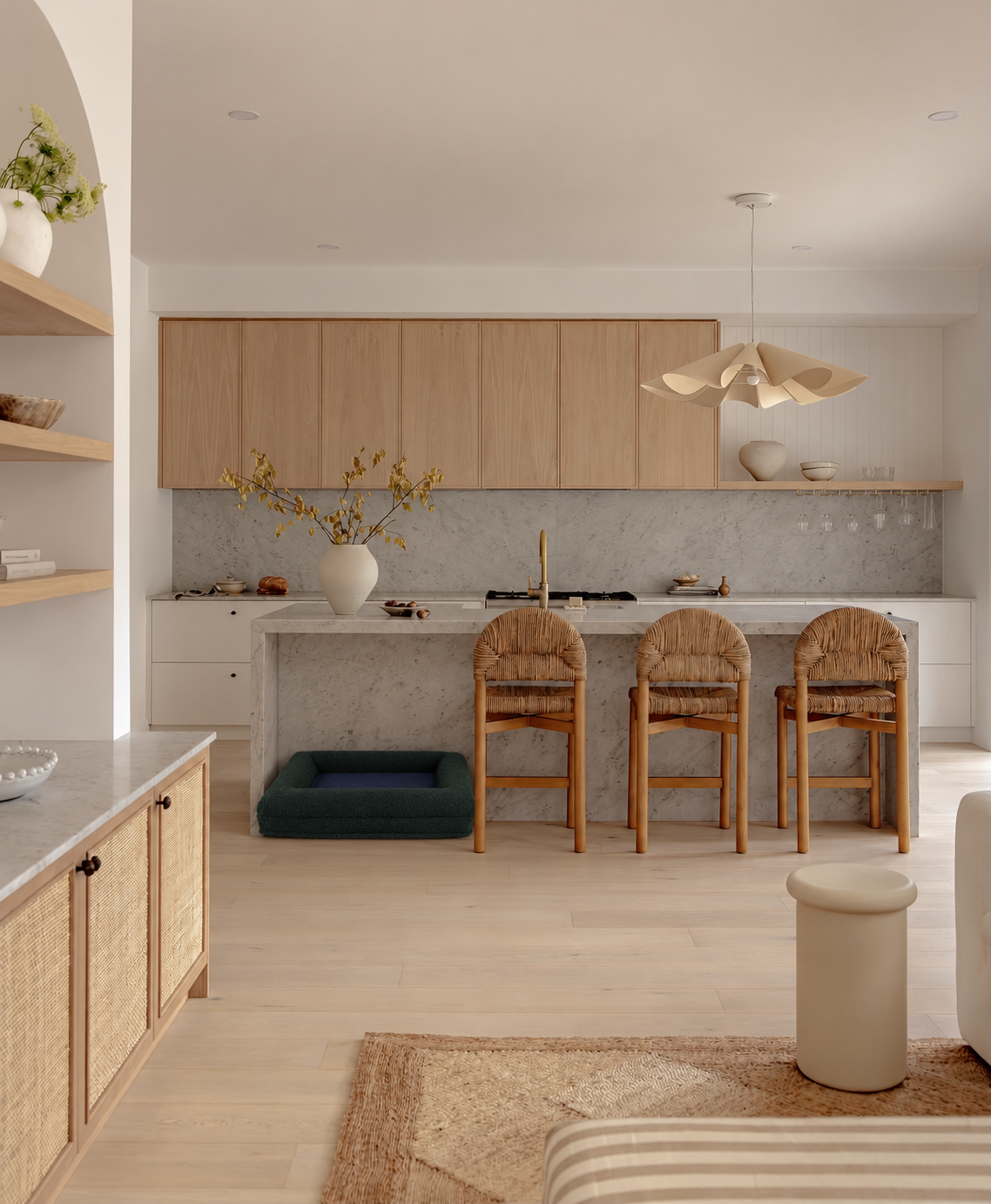
For some dogs, the sound of your keys is the start of a hard day. Barking, pacing, scratching at the door or a chewed couch cushion can all be signs that your dog finds being alone stressful.
The good news is that separation-related distress can usually be improved with patience and a plan. That plan works on two fronts: what your dog learns about being alone, and how their body handles stress. Here's where to start.
Signs your dog finds being alone stressful
- Barking, howling or whining after you leave
- Pacing, panting or drooling
- Scratching or chewing at doors and windows
- Toileting inside despite being house-trained
- Following you closely from room to room as you get ready to leave
- An over-the-top greeting when you come home
A pet camera can be eye-opening. Many owners only discover what happens after they leave by recording the first 20 to 30 minutes.
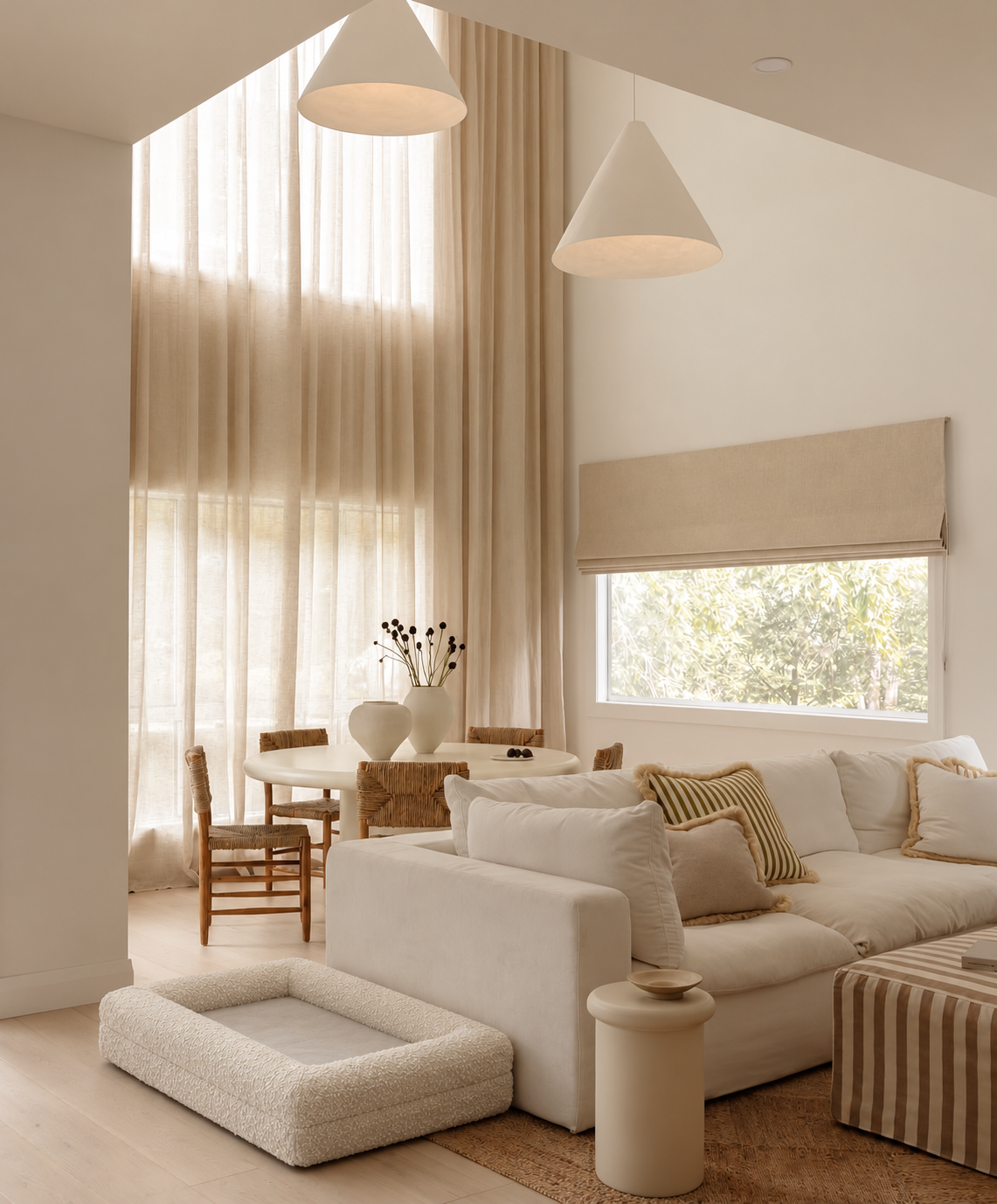
What stress does to your dog's body
When your dog feels anxious, their body responds the same way ours does. The brain's stress pathway signals the release of cortisol, the main stress hormone. Heart rate rises, breathing quickens and the body gets ready for action.
In short bursts, that's healthy. But a dog who's stressed every time they're left alone can spend hours a day in that state. A body that's constantly on alert finds it harder to settle, harder to sleep deeply and harder to switch into "rest and digest" mode, the calm state where breathing slows and the body recovers.
That's why helping an anxious dog isn't only about training. It's also about helping their nervous system come back down.
How grounding can help with stress
This is where grounding comes in, and it's a big part of why we designed our bed the way we did.
Grounding, or earthing, means direct contact with the earth's surface, or with a conductive surface connected to it. Researchers have looked at its effects on the stress response, and the results are encouraging:
- Cortisol. Adults who slept grounded for eight weeks showed lower night-time cortisol, and their daily cortisol rhythm moved towards a more normal pattern. Most also reported better sleep and less stress (Ghaly & Teplitz, 2004).
- The stress pathway. In a laboratory study, stressed rats given an earthing mat showed less anxiety-like behaviour than stressed rats without one, along with lower activity in the brain's stress-hormone pathway (Park et al., 2023).
- Nervous-system calm. In premature infants, grounding raised vagal tone, a marker of the calming "rest and digest" side of the nervous system, by 67% while connected (Passi et al., 2017).
- Deeper sleep. Rats on an earthing mat for 21 days spent less time awake and more time in deep and REM sleep (Ye et al., 2024).
Dogs share these same systems for stress, cortisol and sleep. A grounding bed gives your dog that connection to the earth every time they rest, including the long stretches when they're home alone and need it most.
To be clear about the evidence: these studies are small, and there are no published grounding trials in dogs yet. A grounding bed won't fix separation anxiety on its own, and it works best alongside the training steps below. But by supporting a calmer stress response, it can help your dog's body do its part.
The Grounding Heart Pet Bed. Orthopaedic comfort with built-in grounding.
Shop the bedStart with a calm resting spot
Dogs feel safer when they have a consistent place that's theirs. Choose a quiet corner away from the front door and busy windows, so they're not reacting to every passer-by.
Make it somewhere they already like to be. A supportive grounding bed gives them comfort and a calming connection to the earth in the same spot. Add a familiar blanket at the side, or an unwashed T-shirt that smells of you. Spend time there together when you're home, too, with a chew or a food toy, so the spot is linked with calm rather than with you leaving.
Practise short absences
Separation distress improves by building up time alone in small, manageable steps:
- Start with absences so short your dog stays relaxed, even just stepping outside for a few seconds.
- Return before they become distressed, and keep it low-key.
- Gradually increase the time over days and weeks, only moving on when they're calm at the current step.
- If they become distressed, go back to a shorter time.
Progress isn't always a straight line. Short, frequent practice works better than occasional long absences.
Keep goodbyes and hellos low-key
Long, emotional goodbyes can build tension. Calmly head out, and when you get home, wait until your dog has settled before giving them attention. It sounds harsh, but it helps teach them that comings and goings are no big deal.
You can also take the sting out of departure cues. Pick up your keys or put on your shoes at random times, then sit back down.
Use their energy before you leave
A dog with unmet needs is more likely to struggle. Before longer absences:
- Go for a sniff walk. Sniffing is mentally tiring and calming, often more than a fast walk.
- Leave a long-lasting chew or food puzzle. It gives your dog something rewarding to focus on as you leave.
- Keep their routine predictable. Regular meals, walks and rest times help anxious dogs feel secure.
What not to do
- Don't punish your dog for barking, chewing or accidents. They're signs of distress, not spite, and punishment usually makes anxiety worse.
- Don't force crate confinement on a dog who panics in a crate. Some dogs find a crate comforting; others find it frightening.
- Don't push through big jumps in time alone. Moving too fast can set progress back.
When to get professional help
If your dog is injuring themselves, the problem is getting worse, or you're not seeing progress after a few weeks, talk to your vet. They can rule out medical causes and refer you to a veterinary behaviourist. Some dogs benefit from medication alongside a training plan, and that's a decision to make with your vet.
What to watch for
If you add a grounding bed to your dog's routine, allow six to eight weeks and keep an eye on:
- How quickly they settle when you leave
- How they behave when you're out (a pet camera helps)
- How long they sleep, and how deeply
- How calm they are when you come home
Every dog is different, and experiences vary. Read What is grounding for dogs and cats? for more on how grounding works.
Frequently asked questions
Can grounding help an anxious dog? Grounding may support a calmer stress response. Studies in people and laboratory animals have linked it to lower night-time cortisol, lower activity in the stress-hormone pathway and better sleep, though there are no published trials in dogs yet. It works best as part of a wider plan, alongside training and your vet's advice.
What is cortisol, and why does it matter for my dog? Cortisol is the body's main stress hormone. Short spikes are normal, but a dog who's often stressed can spend long periods with their stress response switched on, which makes it harder to settle and sleep well.
How long does it take to help a dog with separation anxiety? It varies. Mild cases can improve in a few weeks; more severe cases can take months and often need professional support.
Will getting a second dog help? Sometimes, but not always. Many dogs are attached to their people specifically, and a second dog doesn't solve the problem. Talk to a behaviourist first.
Should I leave the TV or radio on? Some dogs find familiar background noise comforting, and it can mask outside sounds. It's worth trying alongside the steps above.
Can a bed help a dog with anxiety? A comfortable, consistent resting spot helps dogs feel secure, and a grounding bed adds a connection to the earth that may support calm. It works best as part of a wider plan to build their confidence when alone.
References
- Ghaly M, Teplitz D. The biologic effects of grounding the human body during sleep as measured by cortisol levels and subjective reporting of sleep, pain, and stress. Journal of Alternative and Complementary Medicine, 2004.
- Park et al. Biomedicines, 2023. Earthing mat and anxiety-like behaviour in stressed rats.
- Passi R, et al. Earthing of preterm infants: effect on vagal tone. Neonatology, 2017.
- Ye et al. International Journal of Molecular Sciences, 2024. Earthing mat and sleep architecture in rats.